If you have ever ordered “rattan webbing” and received something that looked different from the sample, the reason is usually simple: two different materials share that name. Cane webbing and reed webbing are both woven rattan mesh, but they come from different parts of the same plant, and they behave differently in production. Knowing which one your product needs will save a round of returns and a lot of email.
First, what rattan actually is
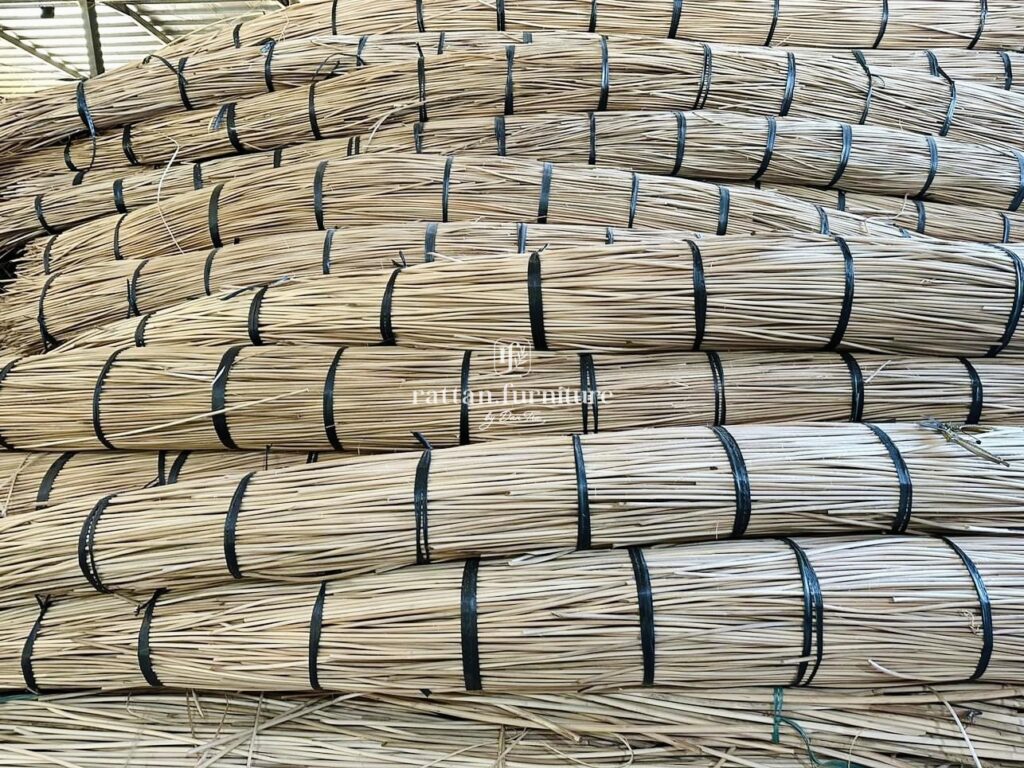
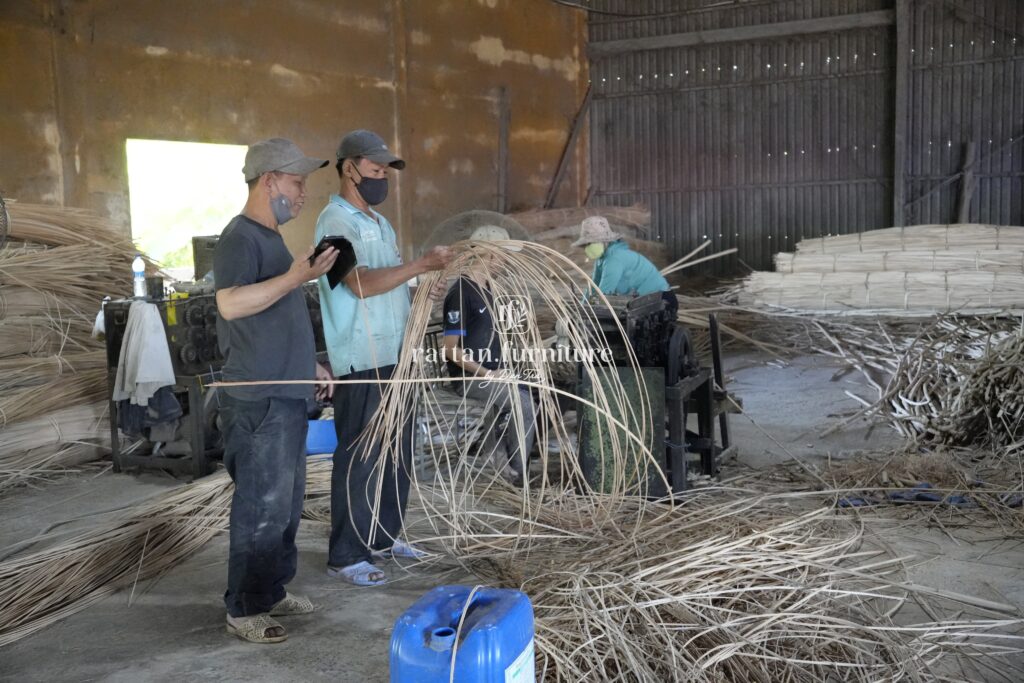
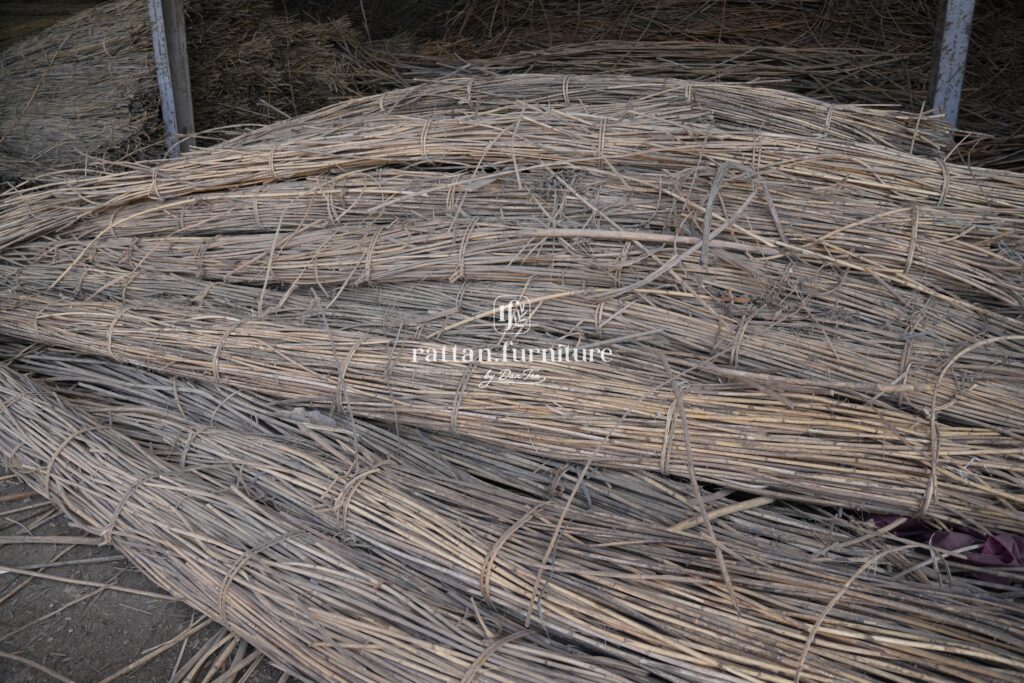
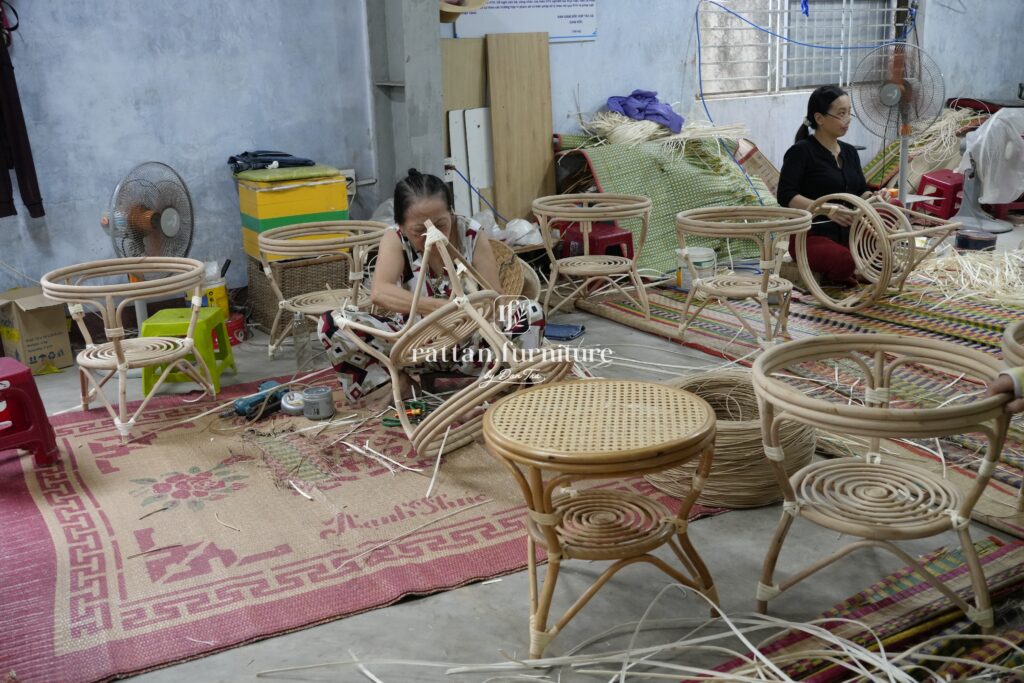
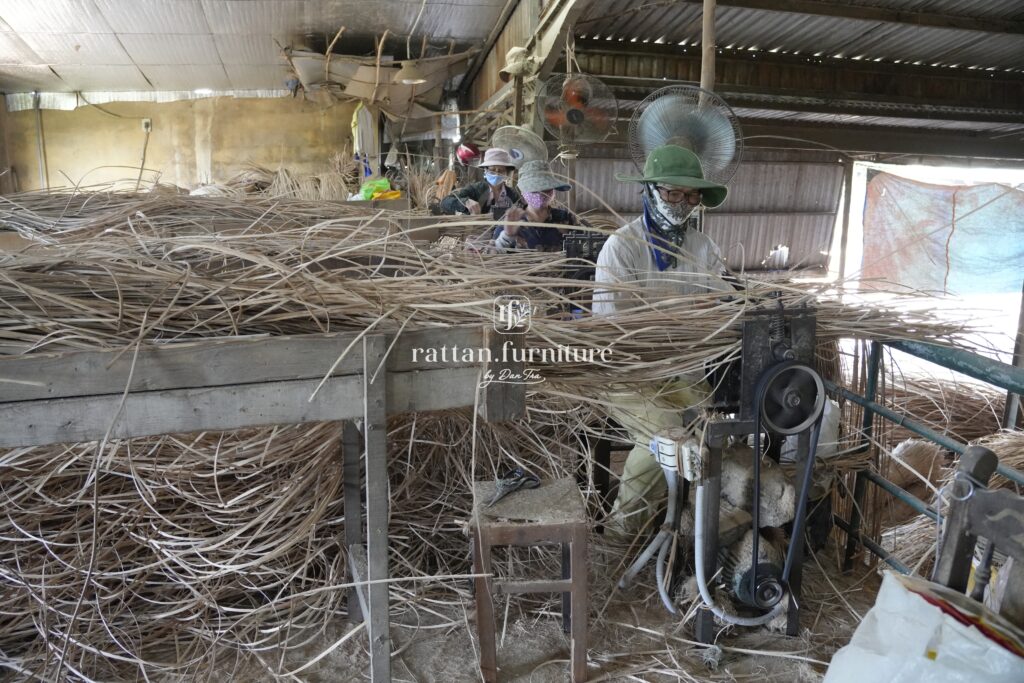
Rattan is a climbing palm. Unlike bamboo, which is hollow, a rattan stem is solid all the way through, which is exactly what makes it strong enough to hold a seated person and flexible enough to bend around a frame. There are hundreds of rattan species across the tropics, though only a fraction are used commercially. From a single harvested cane, a factory produces several distinct materials — and the two that get woven into flat mesh are peel and core.
Two parts of the cane, two webbings
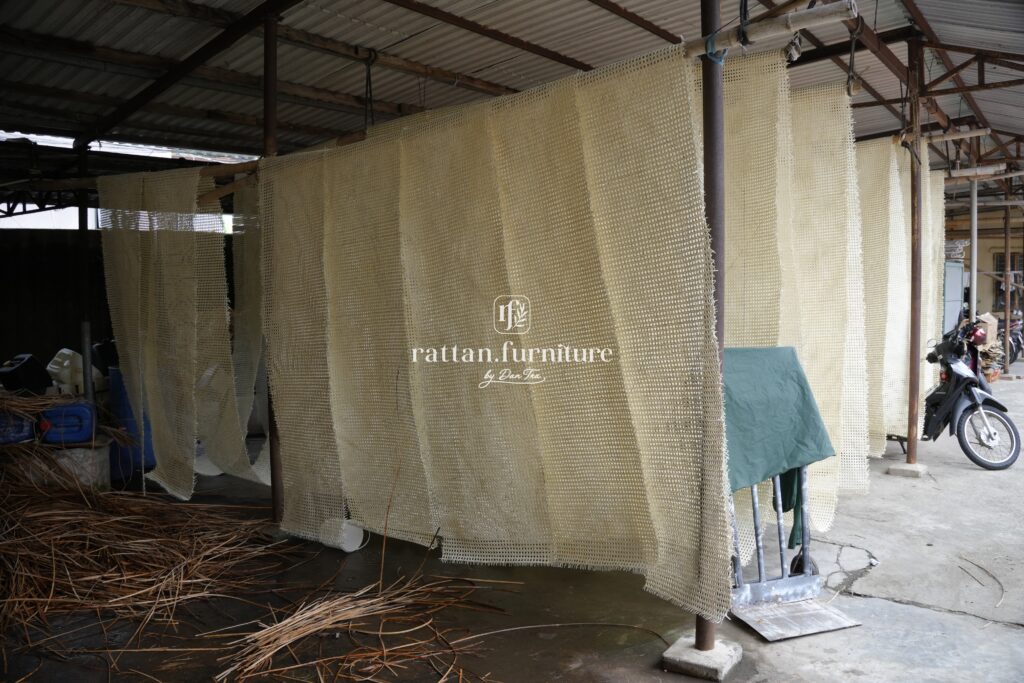
Cane webbing is woven from rattan peel — the glossy outer skin of the cane, cut into thin strips. That skin is what gives cane webbing its smooth, slightly shiny face and its familiar honeycomb look. It is the classic material for chair seats and backs.
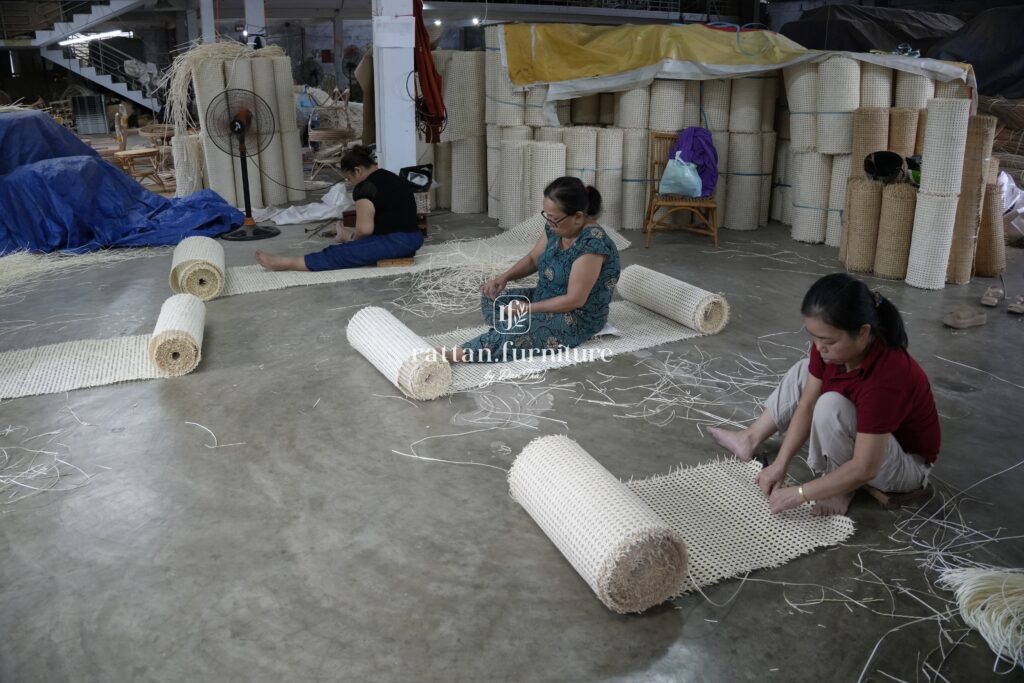
Reed webbing is woven from rattan core — the inner stem left after the peel is removed. Core has a more matte, uniform surface and takes finishes and stains evenly. Some suppliers use the terms loosely, so the safest habit is to specify “webbing woven from peel” or “webbing woven from core” rather than relying on the label alone.
Weave patterns you can order
The same material can be woven in several patterns, and the pattern changes both the look and how open the surface is:
- Hexagonal (open cane): the most common furniture mesh, with the classic six-sided holes. Light, breathable, and instantly recognisable on cabinet doors and chair backs.
- Open / square weave: a more geometric, airy pattern used where you want a stronger visual grid.
- Radio / close weave: a tight, nearly solid weave originally used on radio cabinets — good for surfaces that need more coverage and less see-through.
Roll sizes, widths and finish
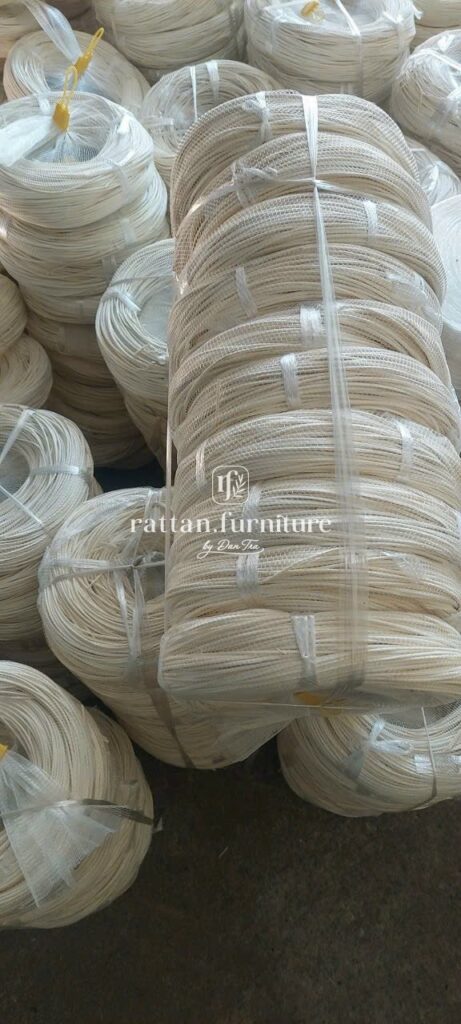
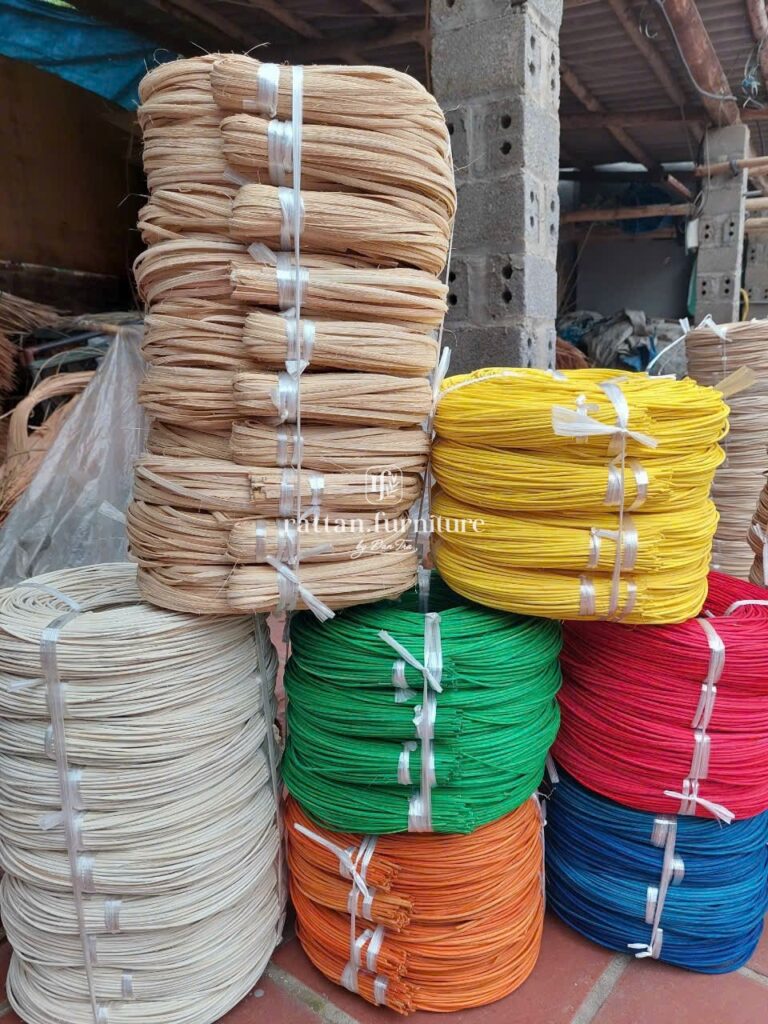
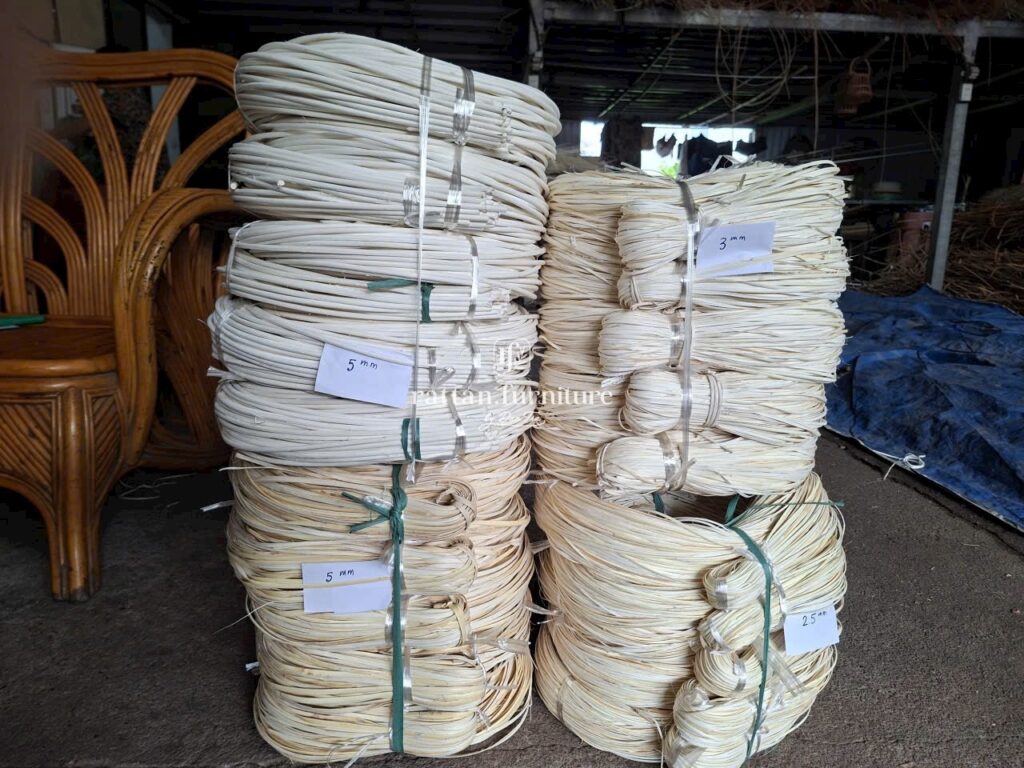
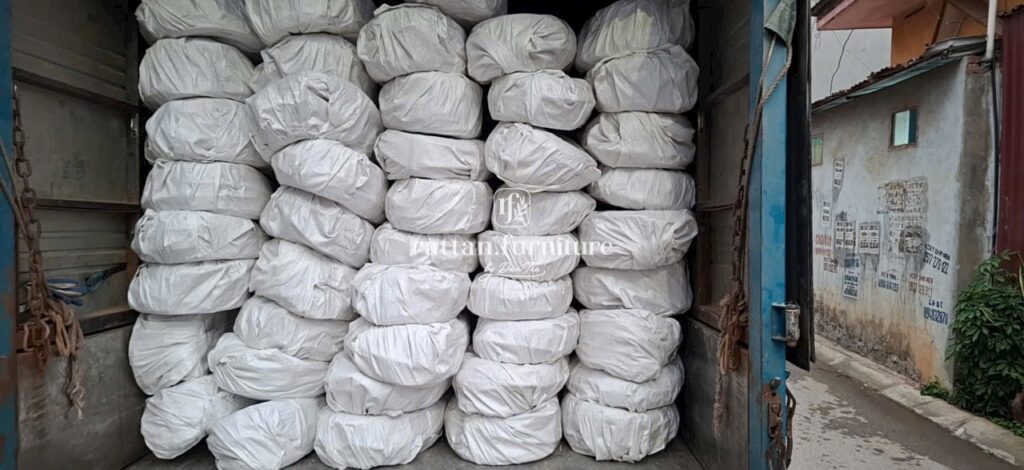
Cane and reed webbing are usually supplied on rolls with a standard length of about 15 metres, in a range of widths — commonly from roughly 45 cm up to 90 cm — with custom cutting available for production runs. It comes in two main finishes: natural (the raw honey tone of the rattan) and bleached (a paler, more neutral surface popular in modern interiors). Always confirm the exact width, weave and finish against a physical sample before you commit to a full order, because a photograph will not tell you the mesh gauge.
Where buyers actually use it
Webbing is one of the most versatile rattan materials because it arrives ready to apply. In furniture, it forms chair seats and backs, cabinet-door inserts, headboards and bed frames. In interiors, it becomes wall panels, ceiling features, room dividers and partition screens. Because it is a neutral, natural surface, it pairs easily with wood, metal and upholstery, which is why it shows up in everything from classic caned chairs to contemporary joinery.
Natural vs PE webbing — an honest word
You will also see “PE” or “poly” cane webbing, which is a synthetic imitation. It has a place: because it resists UV and moisture, it suits open outdoor and poolside use. Natural rattan webbing is different — it belongs in indoor and covered, sheltered spaces, where its warmth and texture are the whole point. If a supplier tells you natural rattan is fine for full outdoor exposure, be cautious. At Rattan.Furniture we make natural rattan only, and we say plainly where it does and does not belong, because a returned container helps no one.
How to spec your webbing order
When you request a quote, give the factory these five things and you will get an accurate price the first time:
- Material: cane (from peel) or reed (from core).
- Weave: hexagonal, open/square, or radio/close.
- Width & length: the width you need, on standard 15 m rolls or custom-cut.
- Finish: natural or bleached.
- Quantity & use: how many rolls, and what you are making — this lets the factory recommend the right gauge.
Frequently asked questions
Is cane webbing a natural material?
Genuine cane webbing is woven from natural rattan peel. Some suppliers also sell PE (synthetic) webbing under similar names, so ask the supplier to confirm the material in writing. Rattan.Furniture supplies natural rattan only.
What is the difference between cane webbing and reed webbing?
Cane webbing is woven from the outer peel of the rattan; reed webbing is woven from the inner core. Peel gives a glossier face; core is more matte and even. Both are natural rattan.
What roll sizes does rattan webbing come in?
The standard roll length is about 15 metres, in widths that commonly range from roughly 45 cm to 90 cm, with custom cutting available for production orders.

Can I use natural rattan webbing outdoors?
Only in covered or sheltered settings. For open, fully exposed outdoor or poolside use, PE/synthetic webbing is the correct choice. A reputable supplier will tell you this before you order.