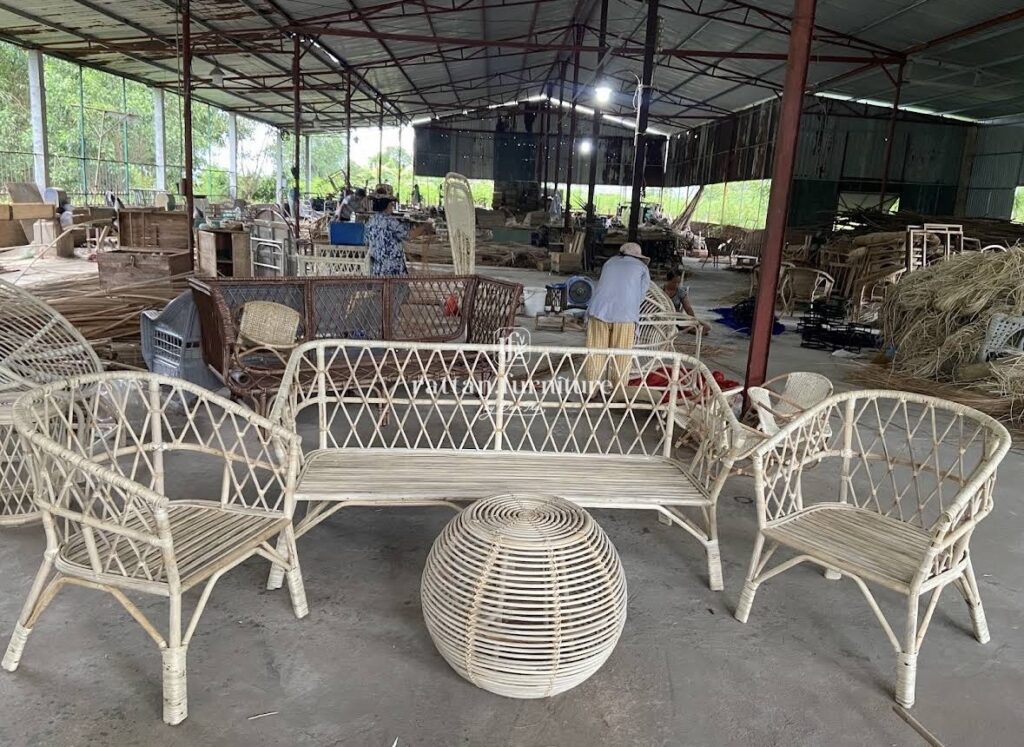
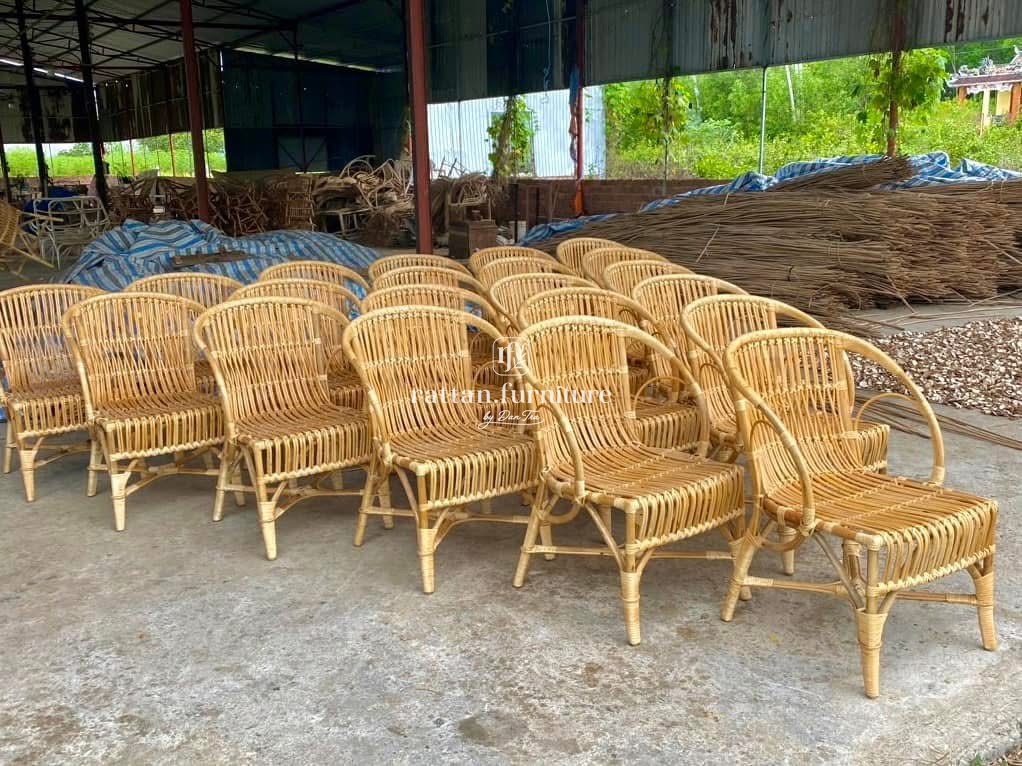
Vietnam is one of the world’s great rattan-weaving nations – but a strong industry attracts middlemen and the occasional scam. Before you wire a deposit, you need to know the supplier is a real, registered manufacturer that can make what it promises. This guide shows you exactly how to check, using Vietnam’s own official records and the same steps professional sourcing agents use.
First, the context: how big is Vietnam’s rattan sector?
Understanding the scale helps you separate serious makers from opportunists. Vietnam’s rattan, bamboo, seagrass and mat exports reached about US$574 million in the first eight months of 2025 – up 5.4% year on year – according to data from the General Department of Vietnam Customs. The United States was the largest buyer at roughly US$266 million, about 46% of the total, followed by Japan, Europe and India.
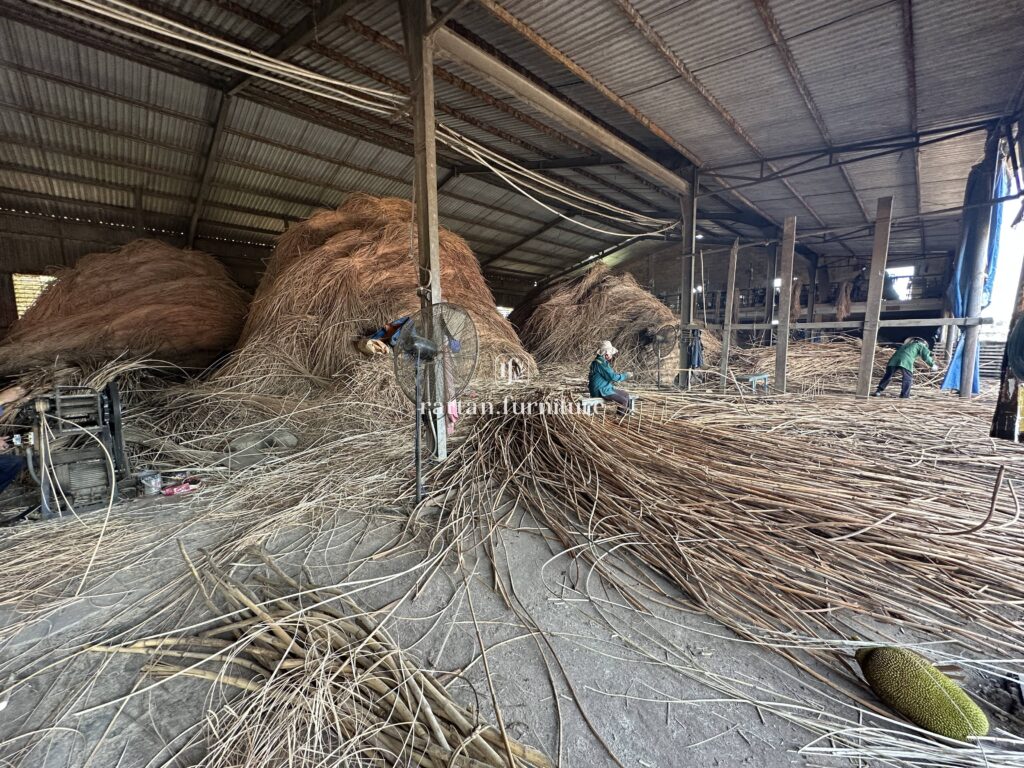
Behind those numbers is real manufacturing depth: Vietnam has over 1,000 rattan and bamboo craft villages and hundreds of thousands of weavers, and it ranks among the world’s top exporters of bamboo and rattan alongside China, Indonesia and the Philippines. Rattan and bamboo are the highest-value group within Vietnam’s non-timber forest products. In other words, genuine, capable makers exist in large numbers – your job is to confirm you’re talking to one of them.
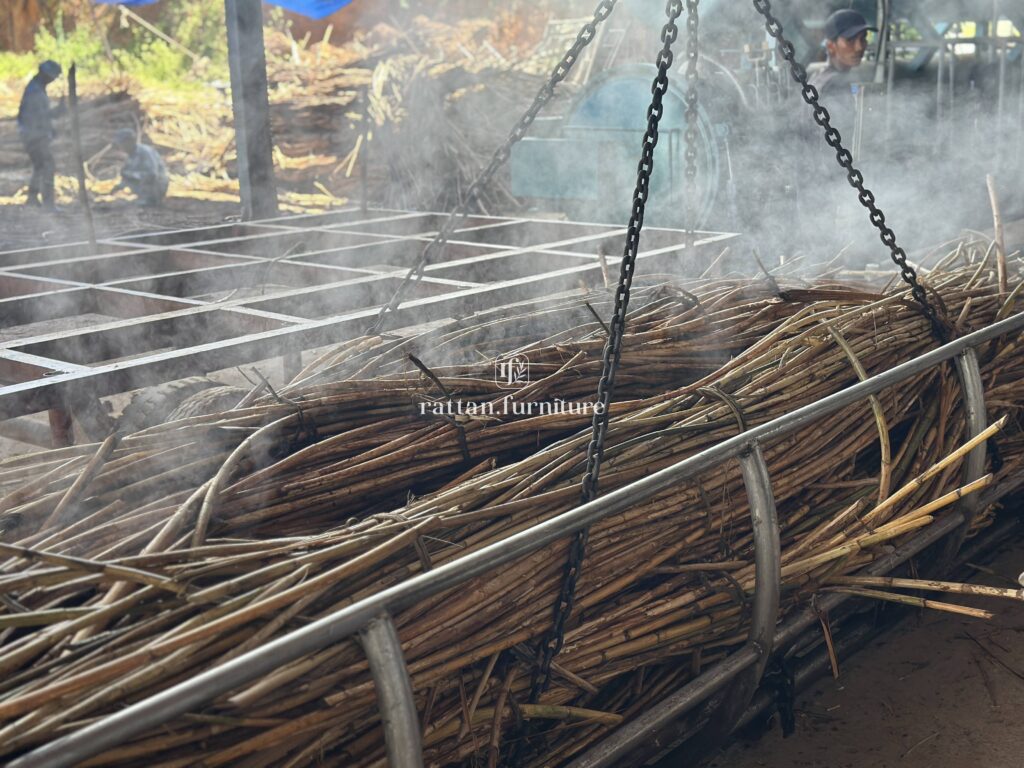
Why this matters for vetting: with a deep, fragmented supplier base, plenty of listings are trading companies or agents rather than the factory itself. Verification is how you find the real maker – and the sections below show how.
Step 1 – Confirm the company legally exists
Every legitimate Vietnamese business holds an Enterprise Registration Certificate (ERC) issued by the provincial Department of Planning and Investment. Under Decree 168/2025 (effective 1 July 2025), the enterprise code on that certificate is also the company’s tax code – a 10-digit number (13 digits for a branch). Ask for a scan of the ERC, then verify it yourself:
- Search the National Business Registration Portal (Ministry of Planning and Investment) by company name, enterprise code or tax code. Confirm the legal representative, registered address, business lines and active status.
- Cross-check the tax code on the General Department of Taxation’s taxpayer lookup to confirm it’s valid and in good standing.
- Confirm the registered business lines actually include manufacturing of furniture or handicrafts – not just ‘trading’.
These are public, authoritative databases used by Vietnamese authorities, so they give you an independent check rather than relying on the supplier’s own brochure.
Step 2 – Manufacturer, trading company, or agent?
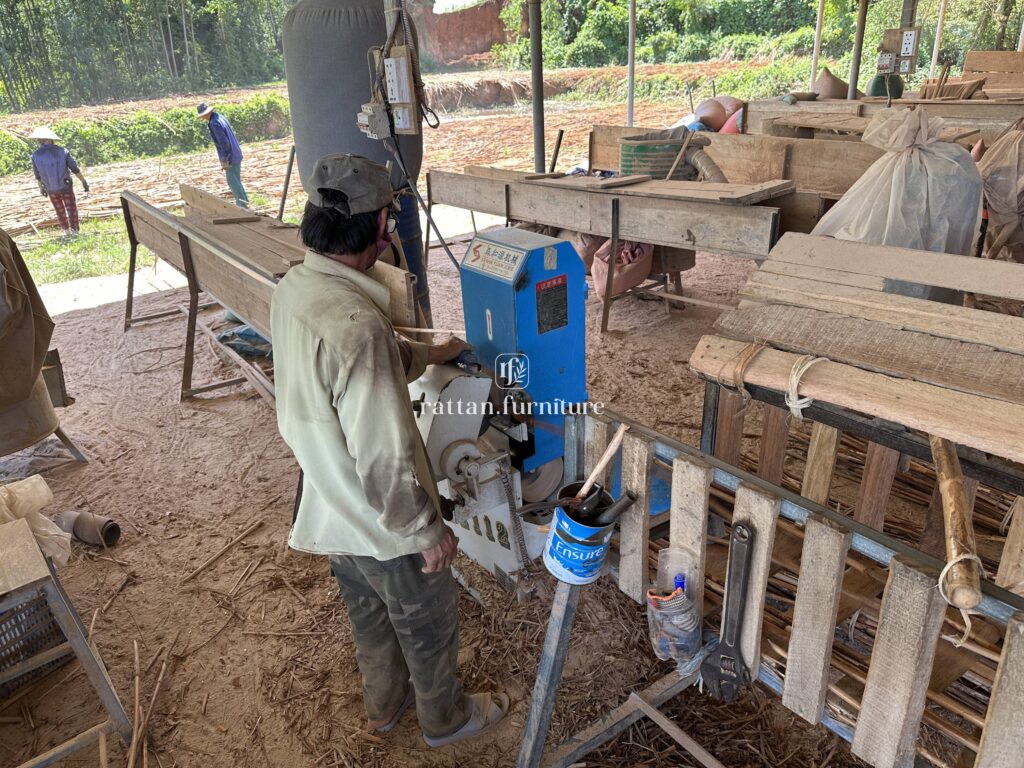
This is the distinction that most affects your price and quality control. A direct manufacturer owns the production; a trading company or sourcing agent buys from factories and adds a margin. Neither is illegal – but you should know which you’re dealing with.
Be careful with marketplace badges: an Alibaba ‘Verified Supplier’ badge confirms a business holds a valid licence, but it does NOT tell you whether the seller is a factory or a trader. To find out:
- Ask directly which items are made in-house versus sourced, and get it in writing.
- Check the registered address is a commercial/industrial premises, not a virtual office or residential flat.
- Ask about subcontracting – it’s common in Vietnam; if they subcontract, verify those workshops too.
- Request factory-process footage and named client projects you can actually check.
Step 3 – Verify real production capacity
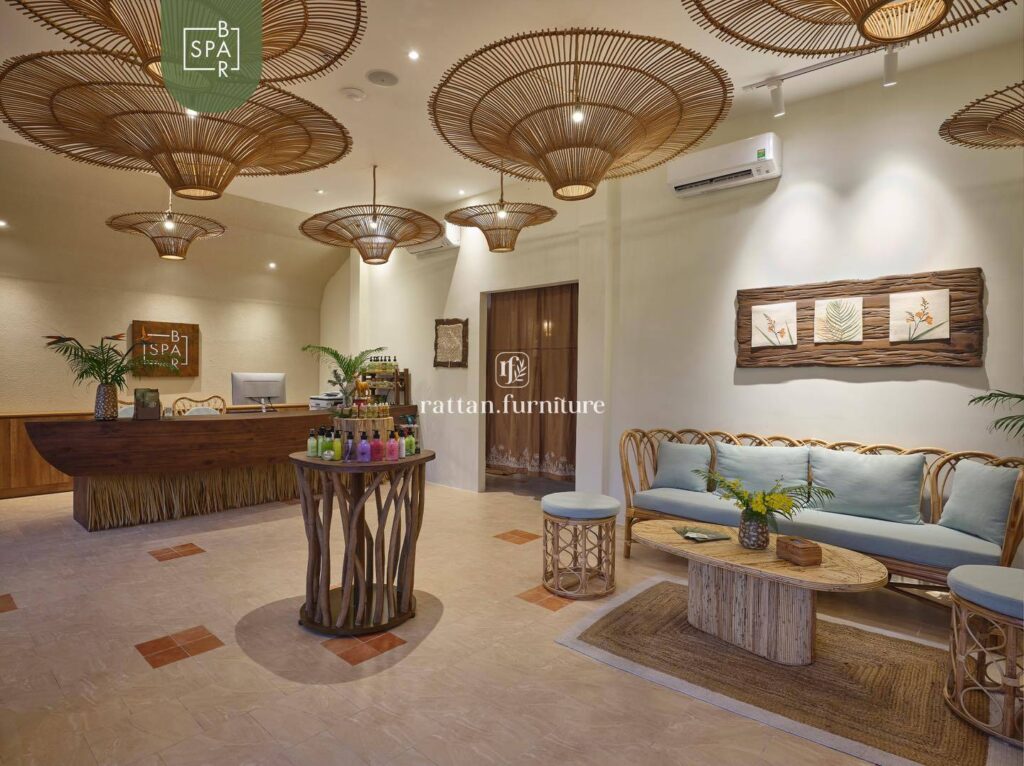
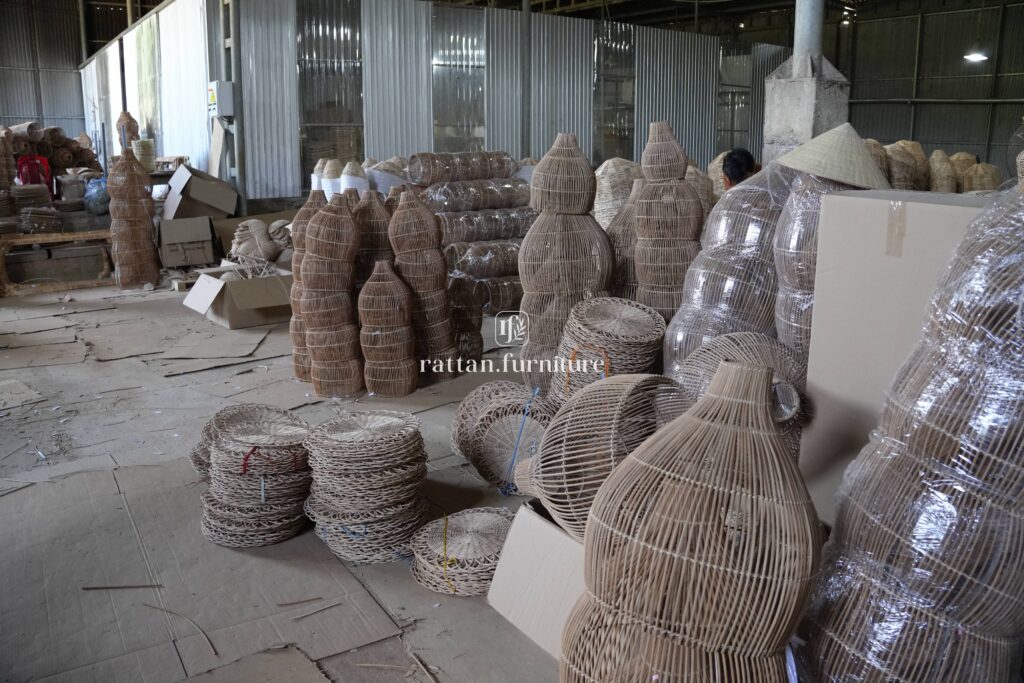
A registered company can still be too small for your order – or not a factory at all. Confirm the physical operation:
- Live video factory tour (ask them to walk the weaving, bending and finishing areas on camera).
- Geotagged, timestamped photos of the workshop and current production.
- For larger orders, a third-party supplier-verification audit (e.g. an inspection agency) reporting factory size, workforce, equipment and estimated monthly capacity for your product.
- References from other international buyers, ideally in your market.
Step 4 – Check the material claim: natural vs synthetic rattan
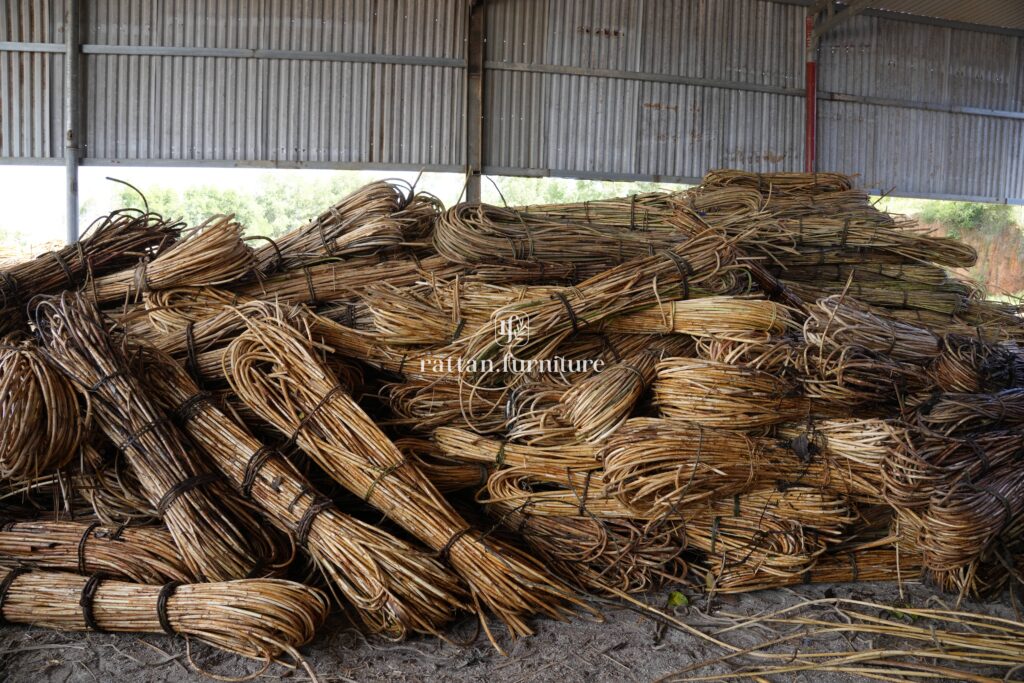
With rattan specifically, verify what the material actually is. Some suppliers blur natural rattan with PE (synthetic) rattan. Ask plainly: is this natural rattan or PE? For outdoor pieces, an honest maker will tell you natural rattan isn’t built for permanent poolside exposure. Also confirm the treatment process (for example flame bending, sun-drying and curing) and whether they can trace the material to a specific source or craft village. Traceability and candour here are strong trust signals – vague answers are a red flag.
Step 5 – Certifications and compliance
Don’t accept certification claims at face value – ask for the actual certificate and check its number and validity. Depending on your market you may want FSC, ISO 9001 or BSCI, plus:
- A Certificate of Origin under EVFTA, UKVFTA or CPTPP – this is what lowers your import duty, so confirm the supplier can issue it.
- Fumigation/treatment and, where required, phytosanitary certificates for plant-based goods.
- For EU buyers: note that natural rattan sits outside the current EUDR commodity scope (a 2026 draft act explicitly excludes bamboo/rattan-only products) – a compliance advantage, with a caveat for any wood components.
You can also cross-reference suppliers through VIETCRAFT, Vietnam’s handicraft exporters’ association, which maintains a vetted member directory and acts as a gateway for international buyers.
Step 6 – Protect the transaction
Even with a genuine factory, protect your money and your order:
- Match the beneficiary name on the invoice EXACTLY to the ERC. A slight name variation (for example a different company-type suffix) is a classic fraud red flag.
- Before your first wire, ask for a bank confirmation letter stamped by the supplier’s Vietnamese bank verifying the account.
- Use secure payment terms – a reasonable deposit and balance against documents, or an L/C for large orders. Be wary of demands for 100% upfront.
- Sign a clear contract covering specs, AQL quality standard, lead time, penalties and acceptance.
- Guard against ‘quality fade’ – where production drifts below an approved sample – with a pre-shipment inspection before you release the balance.
Red-flag checklist
| Red flag | Why it matters |
| Price ‘too good to be true’ | Classic bait for deposit fraud or quality fade |
| Pressure for 100% upfront | Legitimate makers accept staged, secured payment |
| No registration record / mismatched tax code | May not be a real, active company |
| Beneficiary name doesn’t match the ERC | Common wire-fraud signal |
| Virtual or residential ‘factory’ address | Likely a trader, not a maker |
| Vague answers on in-house vs subcontracting | Hidden middleman or capacity gap |
| Won’t allow a video tour or inspection | Something to hide |
| ‘Natural rattan’ with no material clarity | Possible PE substitution |
How Rattan.Furniture stands up to these checks
We wrote this guide because we’d rather be verified than take offence at the question. Here’s how Rattan.Furniture meets each test:
- A legally registered Vietnamese manufacturer – we’ll provide our Enterprise Registration Certificate on request so you can verify us on the official portals.
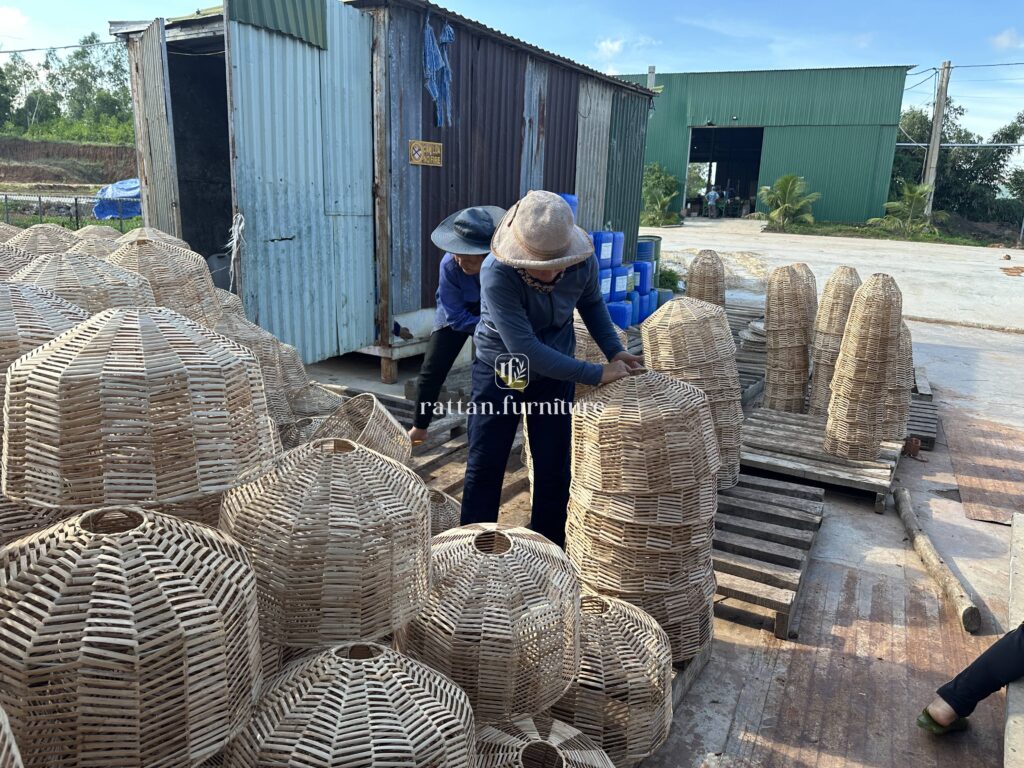
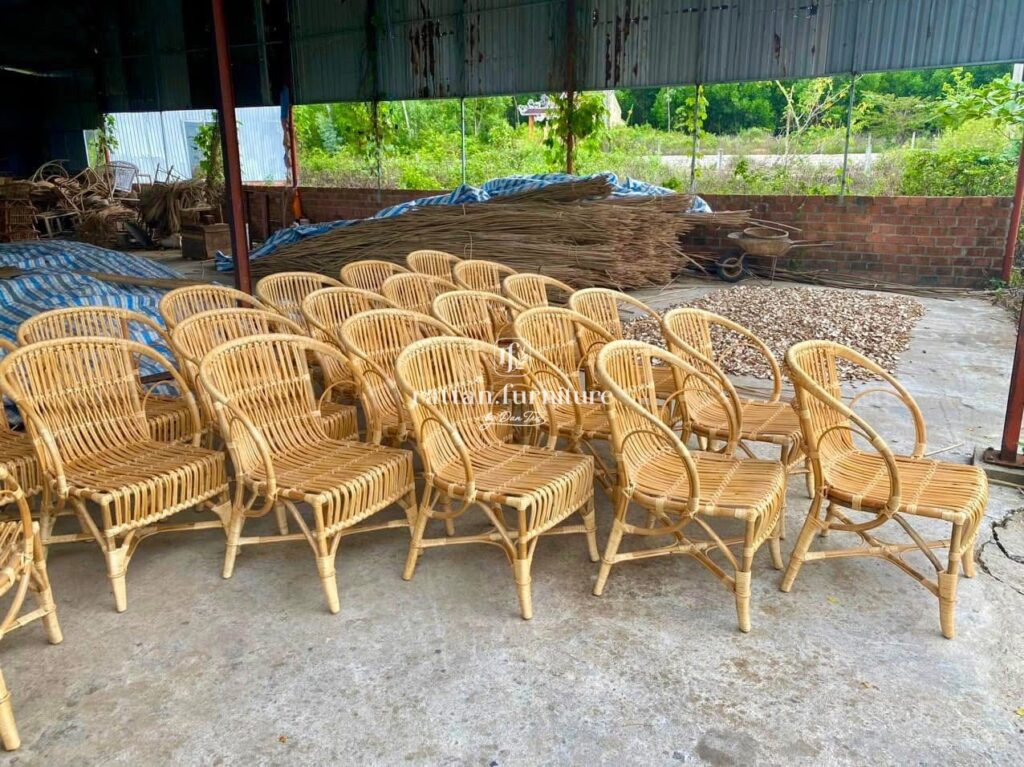
- A direct maker, not a trading agent – based in Bình Định and Gia Lai, operating through a joint venture with two facilities totalling 5.4 hectares (54,000 m²) and 965 workers, including 765 skilled artisans.
- Open to live factory tours and published factory-process video – weaving, flame bending, sun-drying, finishing; clients include IKEA and Walmart.
- 100% natural rattan, clearly stated – and honest about where it isn’t suitable.
- Certificates of Origin under EVFTA, CPTPP and UKVFTA to lower your duties; ships FOB Quy Nhơn or Cat Lai.
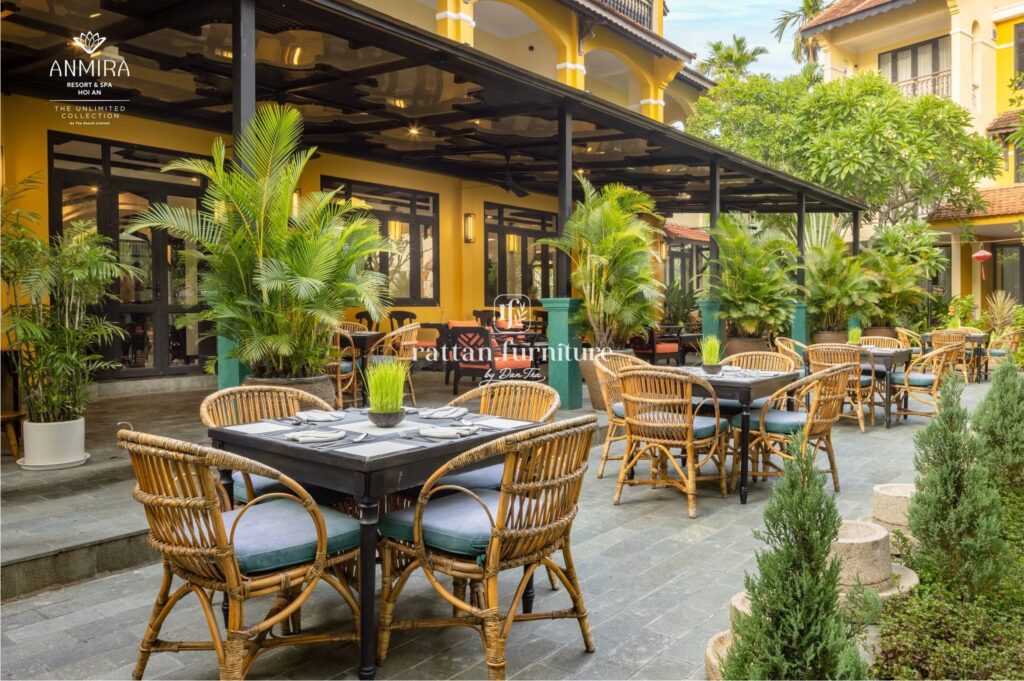
- Named hospitality projects you can check – proof, not just claims.
Tel / WhatsApp +84 96 3333 776 – [email protected] – https://rattan.furniture
Frequently asked questions
How do I check if a Vietnamese rattan supplier is legally registered?
Ask for their Enterprise Registration Certificate, then verify the enterprise/tax code on Vietnam’s National Business Registration Portal and the tax authority’s taxpayer lookup. Confirm the address, legal representative, business lines and active status.
Is an Alibaba ‘Verified Supplier’ the factory?
Not necessarily. The badge confirms a valid licence but doesn’t distinguish a manufacturer from a trading company. Verify in-house production separately.
How can I avoid payment fraud?
Match the invoice beneficiary exactly to the ERC, request a bank confirmation letter before wiring, use staged/secured payment, and never feel pressured into 100% upfront.
How do I make sure I’m getting natural, not synthetic, rattan?
Ask directly, request material details and treatment process, and prefer suppliers who can trace the material and show real production footage.